Mini-CRM for Online Stores: Turning Casual Chatters into Loyal Customers
# Mini-CRM for Online Stores: Turning Casual Chatters into Loyal Customers Many online store owners treat live chat as a help desk—a place to answer a question
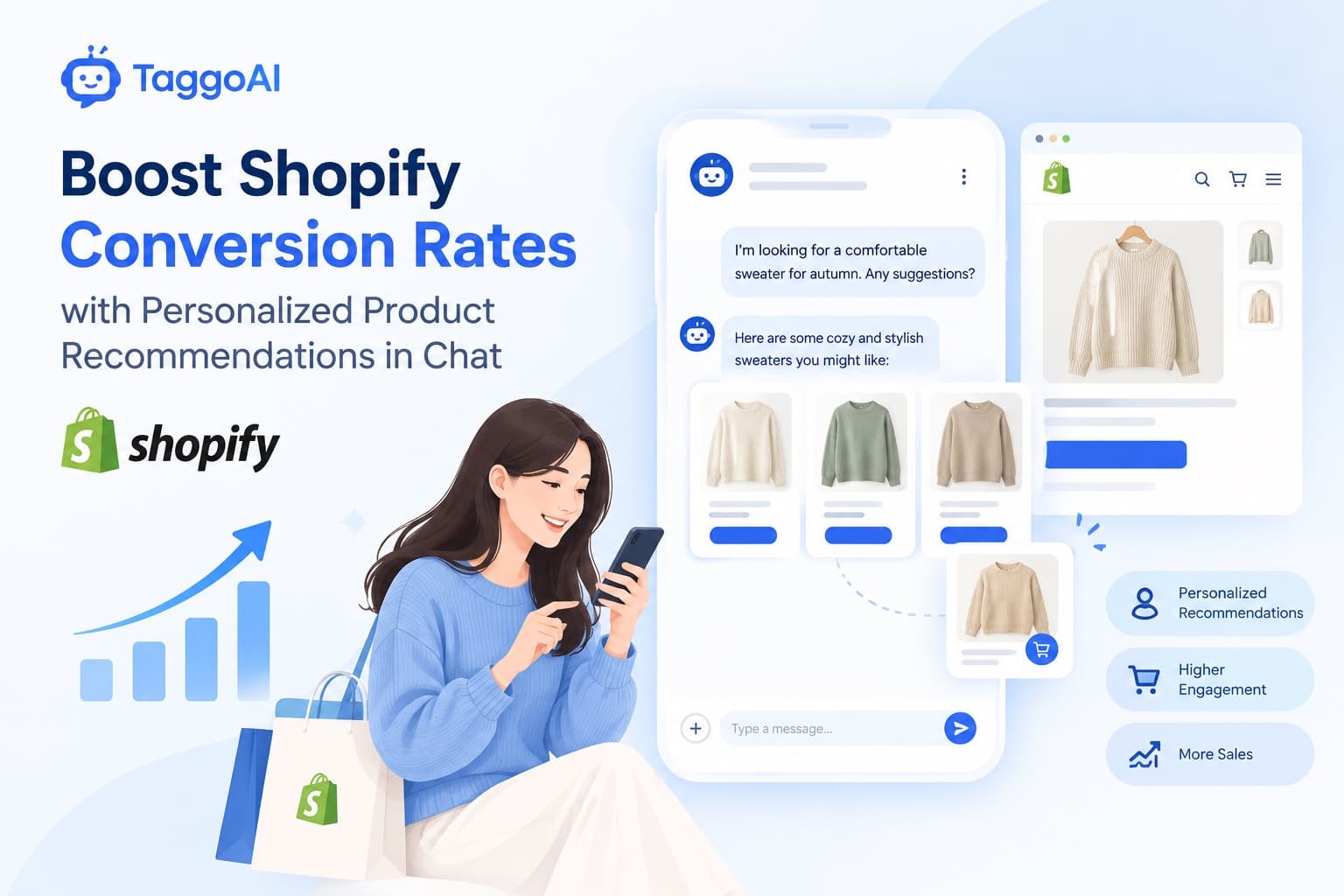
Mini-CRM for Online Stores: Turning Casual Chatters into Loyal Customers
Many online store owners treat live chat as a help desk—a place to answer a question and close a ticket. But customer conversations can also reveal preferences, buying intent, and opportunities to build long-term relationships.
A Mini-CRM connected to customer conversations helps turn those interactions into organized, actionable customer context. Here is how online stores can use this approach to improve sales and retention.
1. Smart Tagging and Segmentation
Organize contacts using relevant signals such as product interests, stated preferences, purchase history, or support needs. Example segments might include “VIP Customer,” “Interested in Skincare,” or “Asked About Cart.”
Use tags that are useful to your team, keep them consistent, and avoid inferring sensitive traits from chat messages. Purchase-history segments require reliable customer records and an appropriate integration.
2. Deal Tracking Inside the Conversation Workflow
High-value opportunities can disappear when follow-ups live in separate spreadsheets or personal inboxes. A CRM workflow can help teams track wholesale inquiries, custom orders, and purchase-ready leads with clear ownership, next steps, and deal status.
This gives sales teams a more consistent way to see which conversations need attention and when to follow up.
3. Post-Purchase Care and Relevant Upsells
The relationship does not end at checkout. Depending on the store’s delivery data and automation setup, you can plan a post-purchase check-in, invite a review, or suggest a complementary product.
For example, a shopper who buys sneakers might appreciate a relevant recommendation for matching socks or shoe-care products. Keep suggestions useful, respect messaging permissions, and avoid sending follow-ups when the customer has opted out.
4. Keep Customer Context Useful and Accurate
A Mini-CRM is only as good as the data behind it. Deduplicate records carefully, keep contact details current, limit access to customer information, and make sure your team can correct inaccurate tags. Do not assume two conversations belong to the same person without a reliable basis.
How TaggoAI Fits In
TaggoAI brings AI-assisted customer conversations and business workflows into a connected experience. Depending on the features and integrations enabled in your workspace, you can explore ways to organize customer context, support follow-ups, and help teams respond consistently.
Before relying on a particular workflow, verify the relevant CRM fields, automation triggers, and channel integrations in your account.
From Conversations to Relationships
A helpful chat experience should do more than answer the immediate question. With organized customer context, relevant follow-ups, and thoughtful human support, online stores can make each interaction more useful—and give customers more reasons to return.
Ready to elevate your customer experience?
Deploy intelligent AI agents for your business in minutes.

